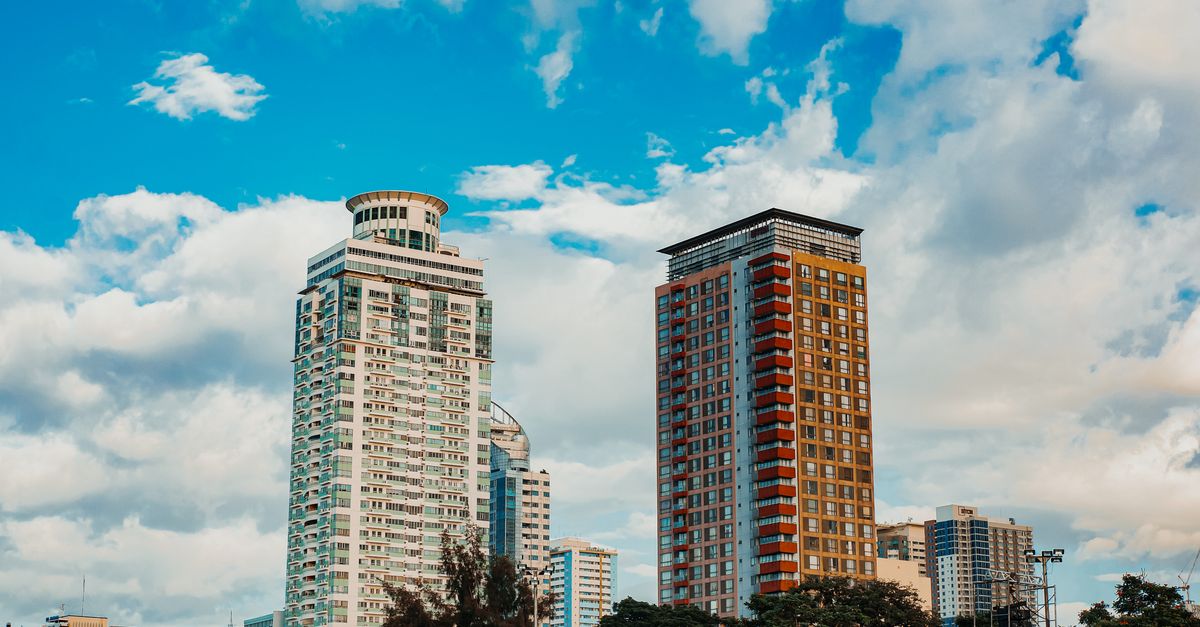
If you’re a Filipino American thinking about buying a condo in the Philippines, the good news is you legally can, even after naturalizing as a US citizen. Land is a different story. Under Philippine law, foreign nationals generally can’t own land, and if you naturalized without reacquiring Philippine citizenship, that rule applies to you. A condo in the Philippines is the one property type foreigners can hold outright, which is why it’s the most common entry point for balikbayans building a home back there.
Buying a Condo in the Philippines: What You Can Legally Own
The 1987 Constitution restricts land ownership to Filipino citizens and to corporations that are at least 60% Filipino-owned. Once you naturalize as a US citizen and don’t reacquire Filipino citizenship, you fall under that restriction. House-and-lot properties, raw land, and farm lots are generally off the table for direct purchase.
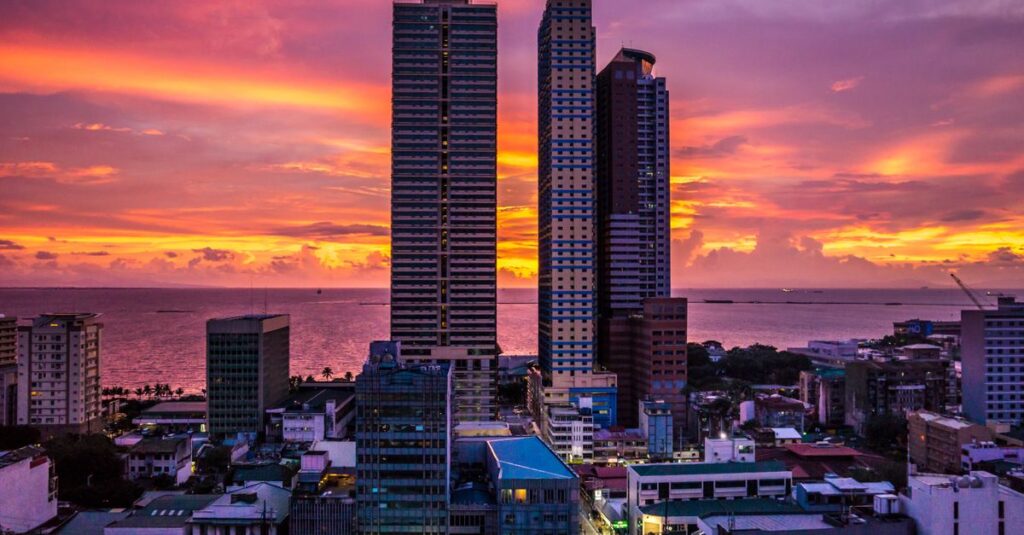
Condominium units work differently. The Condominium Act, Republic Act 4726, lets foreign nationals own units within a condo project. You’re buying the unit itself and a share of the common areas, not the land the building sits on. That distinction is what makes ownership legal for someone in your position.
This single exception explains why so many OFWs and former citizens gravitate toward condo developments in Metro Manila, Cebu, and other cities. It’s not that condos are simply more convenient. For a naturalized US citizen without dual status, a condo is often the only direct ownership option available.
Ownership here means a full title to the unit, recorded under your name at the Registry of Deeds. It isn’t a lease, and it isn’t a long-term rental arrangement dressed up as ownership. You can sell the unit later, will it to your children, or rent it out, the same as any Filipino owner could.
Why Land Ownership Stays Off the Table
It helps to understand why this restriction exists before looking for workarounds. The nationality rule on land traces back to concerns about foreign control over Philippine territory, written into the Constitution decades ago. It hasn’t changed since, and there’s no indication it will.
Three paths let a foreign national still get access to land: reacquiring Philippine citizenship, buying through a majority-Filipino-owned corporation, or leasing. Corporate ownership works for businesses, but it’s a heavy structure for a family home. Leasing is available under the Investor’s Lease Act, up to 50 years with one 25-year renewal.
None of these three matches the simplicity of just owning a condo unit outright. That’s the practical reason the condo route dominates for US-based buyers who want something simple.
The 40% Foreign Ownership Cap on a Condo in the Philippines
RA 4726 caps how much of a condo project foreigners can own. Foreign ownership across an entire building can’t exceed 40% of total units. The remaining 60% has to stay Filipino-owned.
This cap applies to the project as a whole, not to any single unit you’re buying. In practice, developers track foreign buyer allocation and will tell you upfront whether a project still has room under the cap. Popular developments in high-demand areas can hit that ceiling, especially ones marketed heavily to overseas buyers.
Ask the developer directly about foreign ownership percentage before signing anything. A sales agent should be able to confirm current standing against the 40% limit. If a project is already near the cap, you may need to look at a different building or a different phase of the same development.
Dual Citizenship Changes What You Can Own
Reacquiring Philippine citizenship under RA 9225 removes the foreign ownership question entirely. Once you’re a dual citizen, Philippine law treats you as Filipino for property purposes. Land, house-and-lot, agricultural property — all of it opens up the same way it would for someone who never left.
This is one of the more concrete financial reasons OFWs and naturalized Filipino Americans pursue dual citizenship. It’s not just sentimental. It directly expands what you’re allowed to buy and hold back home, without needing a corporation or a lease structure.
If you’re weighing whether reacquiring citizenship makes sense for your situation, our companion piece on Philippine dual citizenship and US tax implications walks through the process and what it does and doesn’t trigger on your US tax return. Reacquiring citizenship doesn’t undo your US citizenship or your US tax obligations. It adds a second nationality, which is exactly what unlocks land ownership again.
Financing a Condo in the Philippines From the US
Getting a mortgage from a Philippine bank while you live and work in the US is possible, but it’s more restrictive than financing for someone who’s actively residing and earning there. Banks want proof of stable income, and verifying US-based employment and pay stubs takes more underwriting than a local file.
BPI, BDO, and Metrobank all run property loan programs aimed specifically at OFWs and balikbayans. These programs are built around the reality that the borrower is abroad, so the documentation requirements are set up for exactly your situation. Rates and terms vary, so it’s worth comparing at least two or three banks before committing.
Many buyers simply pay cash, especially for pre-selling units where developers spread payments over the construction period. That avoids the mortgage-underwriting friction altogether. Whichever route you take, get a written amortization schedule before you sign, so there are no surprises.
Currency exchange adds another layer worth planning for. Wiring US dollars for a peso-denominated purchase means the final cost shifts with the exchange rate between your down payment and your final transfer. Locking in a rate through your bank, or timing transfers around favorable swings, can save real money on a six or seven-figure peso purchase.
Protecting Your Purchase: Title Checks and Legal Help
Before transferring any money, verify the title through the Registry of Deeds. A clean title has no liens, no pending court disputes, and no conflicting ownership claims. Developers with a strong track record will provide this documentation without hesitation.
For any land-adjacent purchase, and a condo counts here given how these ownership rules interact, working with a Philippine-licensed real estate lawyer is worth the fee. A lawyer catches issues a sales brochure won’t mention, and can confirm the project’s foreign ownership standing against the 40% cap independently.
Ask for the developer’s license from the Housing and Land Use Regulatory Board too. Established developers register every project and publish updates on construction milestones. A missing license or a developer that dodges the question is a signal to walk away, regardless of how attractive the unit price looks.
You can read more about the underlying legal framework directly from the Philippine Official Gazette, which publishes the Condominium Act and related property statutes in full.
FAQ
Can I buy a condo in the Philippines if I only have US citizenship?
Yes. The Condominium Act allows foreign nationals, including naturalized Filipino Americans, to own condo units directly, subject to the 40% building-wide cap.
What is the 40% foreign ownership cap?
It limits foreign-owned units to 40% of a condo project’s total units. At least 60% must remain Filipino-owned. The cap applies project-wide, not per unit.
Can I get a mortgage from a US-based bank?
Generally no, US banks don’t finance Philippine real estate. Financing comes from Philippine banks, often through OFW-specific loan programs at BPI, BDO, or Metrobank.
Do I need a lawyer to buy a condo in the Philippines?
It’s not legally required, but strongly recommended. A Philippine-licensed lawyer can verify title status and confirm the project hasn’t exceeded the foreign ownership cap.
Is a pre-selling condo a good investment?
Pre-selling units cost less upfront and spread payments over construction. Delays and developer risk are real, so vet the developer’s completed project history first.
What happens if I reacquire Philippine citizenship later?
Under RA 9225, you become a dual citizen and are treated as Filipino for property purposes. Land ownership options open up beyond just condo units.
Quick Summary
- Foreign nationals, including naturalized Filipino Americans, generally can’t own Philippine land but can own condo units under RA 4726.
- Condo projects cap foreign ownership at 40% of total units, so confirm a building’s standing before you commit to a purchase.
- Reacquiring Philippine citizenship under RA 9225 removes the ownership restriction entirely and opens up land purchases too.
This post is for informational purposes only and does not constitute financial, tax, or legal advice. Laws and regulations change frequently. Please consult a qualified professional for your specific situation.