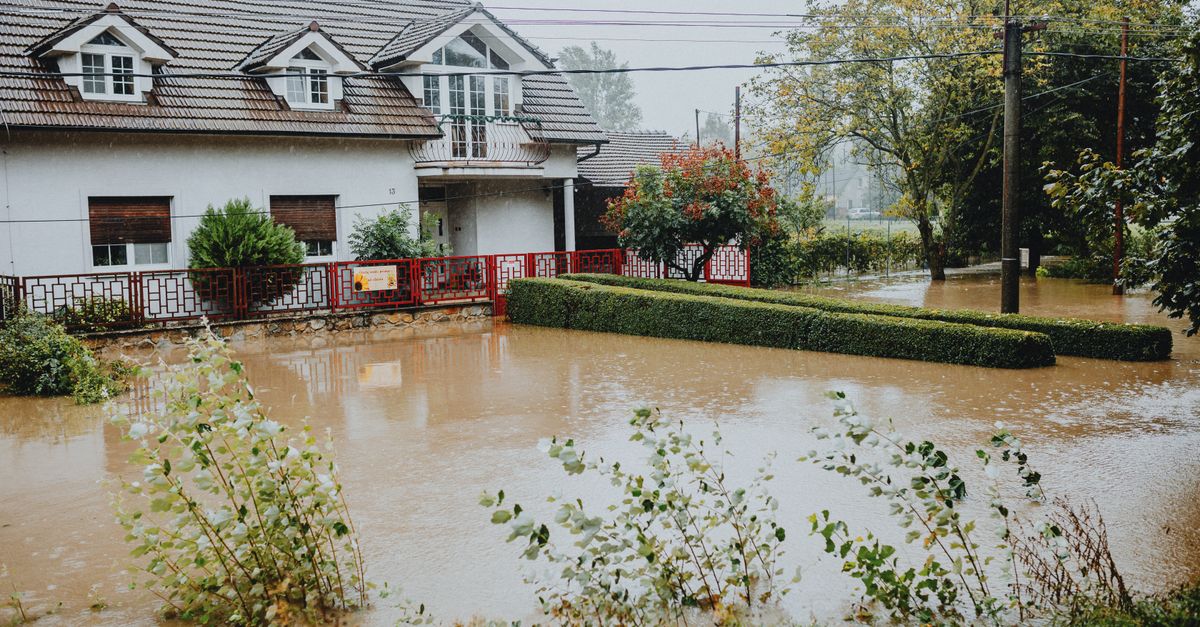
A travel nurse renting a furnished unit two blocks from a Houston bayou assumed her renters policy would kick in if the water ever rose past the curb. It wouldn’t have. Flood damage is excluded by name from nearly every renters and homeowners policy sold in the US, including hers. Travel nurse flood insurance sits in a strange blind spot. Agencies rarely mention it. Housing stipends never bundle it in. And it matters most in exactly the months — June through August — when Gulf Coast, Southeast, and river-adjacent assignments run highest.
This post covers why the standard policy leaves you exposed, how to check your real flood risk before signing, what a flood policy actually covers, and how fast you can get one before a 13-week clock starts running.
Why Standard Renters Insurance Excludes Flood Damage for Travel Nurses
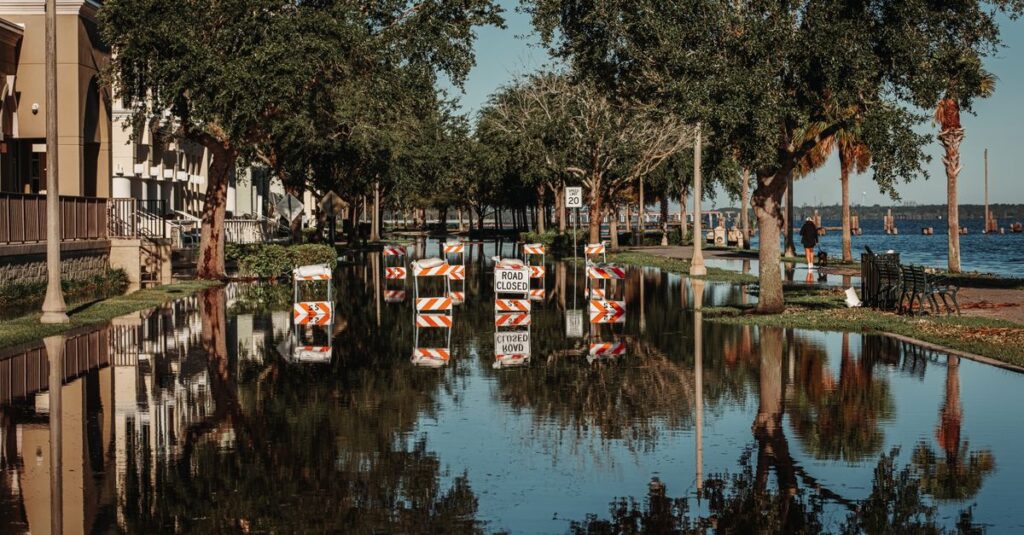
Renters and homeowners insurance covers water damage from a burst pipe, an overflowing tub, or a storm-driven roof leak. It does not cover water that rises from outside. A swollen river, a storm surge, or a drainage backup during heavy rain all fall outside that coverage. Insurers classify that second category as flood. Flood is a standard, named exclusion on nearly every policy written in the country.
That exclusion applies whether you own the furniture or not. A travel nurse in agency-arranged furnished housing still owns her laptop, scrubs, medical gear, suitcases, and electronics. None of it is protected against flood under a typical renters policy. Our companion piece on renters insurance for furnished travel nurse housing covers what a standard policy does protect. Flood simply isn’t on that list.
The gap catches people off guard because nothing about the policy language announces it. Nurses assume “water damage” means all water damage. They read the declarations page once at signing and never revisit it. Assignments in Texas, Florida, Louisiana, and the Carolinas during hurricane season sit squarely in that blind spot, and a single named storm can turn the gap from theoretical to expensive within a day.
How to Check Flood Risk Before You Accept a Travel Nurse Contract
Flood risk isn’t evenly distributed. A specific address can carry a very different risk profile than the city it sits in. The FEMA Flood Map Service Center lets anyone look up a flood zone by street address, free, before signing a lease or accepting a contract.
Zones matter here. An “AE” or “VE” zone marks a high-risk area, the kind where a mortgage lender would require flood insurance outright. An “X” zone carries lower risk, but not zero risk. A large share of flood claims nationally come from properties outside mapped high-risk zones entirely. Assignments near bayous, floodplains, or coastal counties in June, July, and August — peak hurricane season build-up — deserve a five-minute lookup before the contract gets signed, not after.
Recruiters rarely raise this, since flood risk isn’t their liability to manage. Building the lookup into the same checklist as tax home documentation and stipend verification means it happens automatically, instead of getting skipped under contract-signing pressure.
What a Flood Insurance Policy Covers for a Traveling Nurse’s Rental
A renter doesn’t need a full structural flood policy. The building itself isn’t the renter’s asset to insure. What’s available instead is a contents-only flood policy, covering personal belongings — furniture you brought, electronics, clothing, nursing gear, and similar items — up to a set limit, typically $10,000 to $100,000 depending on the policy.
These policies come through the National Flood Insurance Program (NFIP) or through private flood insurers. Coverage usually pays actual cash value rather than full replacement cost, unless a replacement-cost rider gets added. One detail matters enormously for a short assignment: NFIP policies carry a standard 30-day waiting period before coverage takes effect. A policy bought the week before a flood arrives generally won’t help.
That waiting period is the single most important number in this decision. It means timing the purchase around the contract start date, not around a storm forecast.
Getting Travel Nurse Flood Insurance Fast Enough for a 13-Week Assignment
The 30-day NFIP waiting period is a real constraint against a contract that might only run 13 weeks. It isn’t the only path, though. Several private flood insurers offer contents-only policies with waiting periods as short as 10 to 15 days, sometimes shorter still when the policy ties to a purchase transaction rather than a lease.
Practically, that means buying travel nurse flood insurance in the first week of a new assignment, not the week a tropical system enters the Gulf. A contents-only policy for a furnished rental typically runs $15 to $40 a month, depending on coverage limit and zone. It’s billed monthly with no long-term contract, which fits the transient nature of agency work far better than a homeowner’s annual flood premium would.
Set a calendar reminder for day one of every new assignment in a flood-prone state. Check the zone, get a quote, and bind coverage before the waiting period becomes the deciding factor.
The Real Cost of Travel Nurse Flood Insurance Versus Losing Everything
Run the numbers side by side. A contents-only policy with a $20,000 limit runs roughly $20 to $35 a month in most moderate-risk zones, or $240 to $420 for a full year. Replacing a flooded apartment’s contents tells a different story. A laptop, phone, uniforms, shoes, a mattress, kitchen items, and whatever medical gear a nurse bought personally for the role routinely runs $5,000 to $15,000 out of pocket with no policy in place.
Travel nurse flood insurance at that price isn’t a real dent against a $2,000-plus weekly paycheck. It’s closer to the cost of a few takeout meals a month. Nurses juggling remittances home and savings goals sometimes skip it anyway, since it feels like one more recurring cost stacked on housing, transportation, and a stipend that’s already spoken for.
The math rarely favors skipping it. A single flood event during a hurricane-season assignment can wipe out months of careful budgeting in one afternoon. The policy premium, by contrast, barely registers against take-home pay.
FAQ
Do travel nurses need flood insurance for a short-term rental?
Yes, if the assignment sits in a flood-prone zone. A standard renters policy won’t cover flood damage, regardless of whether the nurse owns the furniture. Checking the FEMA flood zone for the specific address takes a few minutes and settles the question directly.
How quickly can a travel nurse get flood insurance before an assignment starts?
Private flood insurers can often bind contents-only coverage in as little as 10 to 15 days. NFIP policies carry a standard 30-day waiting period instead. Buying coverage in the first week of a new contract avoids getting caught mid-storm with a policy that hasn’t kicked in yet.
What does travel nurse flood insurance cost for a 13-week contract?
Expect roughly $15 to $40 a month for a contents-only policy with a $10,000 to $20,000 limit, billed monthly with no annual commitment. That’s typically $45 to $120 across a full 13-week assignment.
Is flood damage ever covered under a travel nurse’s renters policy?
No. Flood is a standard named exclusion on renters and homeowners policies nationwide, regardless of insurer or state. Coverage for flood only comes through a separate flood policy, purchased on top of the renters policy.
Which states carry the highest flood risk for travel nurse assignments?
Texas, Florida, Louisiana, and the Carolinas see the heaviest flood claims during hurricane season. River and floodplain risk exists well outside those states too, though. A FEMA flood zone lookup by address beats assuming risk based on state alone.
Can a travel nurse buy flood insurance mid-assignment?
Yes, though the waiting period still applies from the purchase date, so coverage won’t activate immediately. Buying earlier, ideally in week one of a new contract, avoids a gap between moving in and coverage actually starting.
Quick Summary
- Flood damage is excluded from every standard renters and homeowners policy, so travel nurse flood insurance requires a separate contents-only policy.
- NFIP policies carry a 30-day waiting period, but private insurers can bind coverage in as little as 10 to 15 days — buy it in week one of a flood-zone assignment.
- A contents-only policy runs $15 to $40 a month, against $5,000 to $15,000 in typical out-of-pocket losses from a single flood event.
This post is for informational purposes only and does not constitute financial, tax, or legal advice. Laws and regulations change frequently. Please consult a qualified professional for your specific situation.