Philippine dual citizenship sounds like a loophole. Reclaim your birth citizenship, the thinking goes, and maybe the IRS looks the other way. It does not work that way. Philippine dual citizenship changes what you can own and inherit in the Philippines. It does not touch your US tax return at all.
This matters for a specific group: Filipinos who naturalized as US citizens and gave up, on paper, their Philippine citizenship in the process. Republic Act 9225 lets them get it back. Once you understand what the law actually does, the decision gets a lot simpler.
What Philippine Dual Citizenship Actually Means
Republic Act 9225, the Citizenship Retention and Re-acquisition Act of 2003, lets natural-born Filipinos who naturalized elsewhere reacquire Philippine citizenship. You do not choose between countries. You hold both.

The Philippines is unusually permissive here. Many countries force a choice at naturalization. The Philippines does not, once you complete the RA 9225 process. You take an oath of allegiance, and your original citizenship is restored alongside your new one.
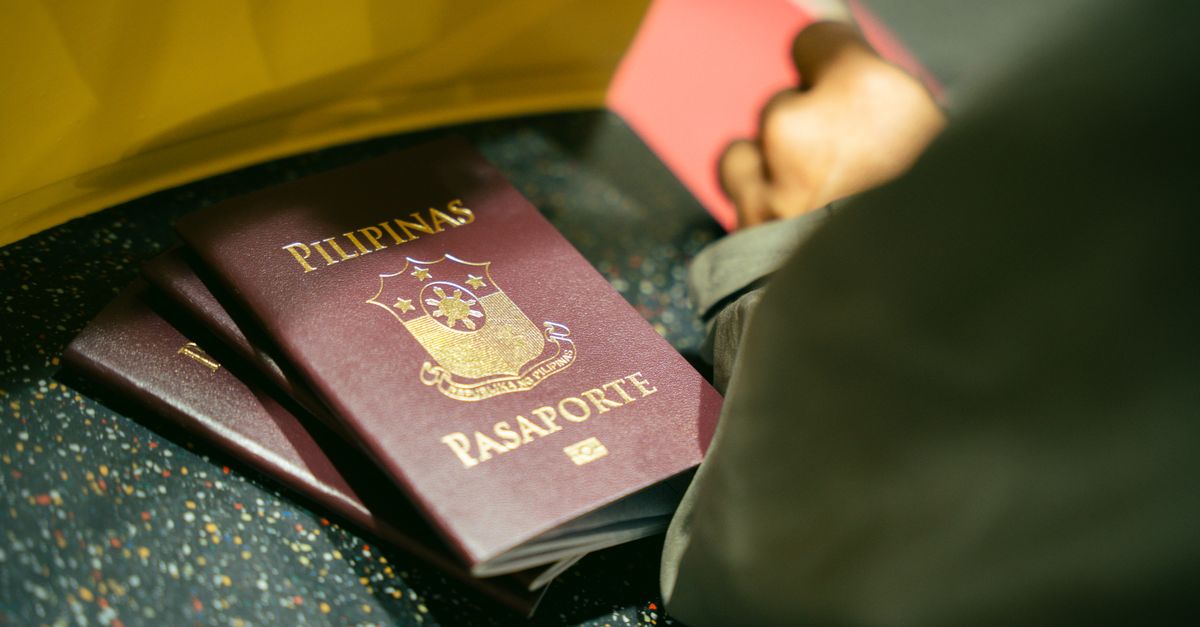
Practically, this means a former Filipino who is now a US citizen can become a citizen of both countries again. You carry a US passport and, after approval, a Philippine one too. Neither government asks you to surrender the other.
None of this is automatic. Naturalizing in the US does not restore Philippine citizenship by itself. You have to file for it, and until you do, you remain a foreign national under Philippine law, with the restrictions that status carries.
Some Filipino Americans put off the decision for years, assuming it only matters if they plan to move back permanently. That is not quite right. Even occasional visits, family property, or plans to retire part-time in the Philippines can make reacquisition worth the paperwork long before any permanent return.
Who Qualifies for Philippine Dual Citizenship Under RA 9225
The law targets a narrow group: natural-born Filipinos who lost their Philippine citizenship by naturalizing in another country. If you were born a Filipino citizen and later became a naturalized US citizen, you qualify.
Children of qualifying applicants, born before the parent’s reacquisition, can also gain Philippine citizenship through the same filing. This matters for families with US-born or naturalized kids who want ties to the Philippines preserved for the next generation.
People who were never Filipino citizens do not qualify. A US-born child of Filipino immigrants who never held Philippine citizenship needs a different process entirely, not RA 9225. This law is specifically about reacquisition, not first-time acquisition.
Age does not disqualify anyone. Applicants in their 60s and 70s file just as often as younger Filipino Americans, usually once retirement planning brings property and inheritance questions into sharper focus.
How to Apply for Philippine Dual Citizenship From the US
The filing happens at a Philippine Embassy or Consulate in the US, or with the Bureau of Immigration if you are in the Philippines. Either path requires the same core documents and the same oath.
You submit your birth certificate, naturalization certificate, and a valid US passport, then take an oath of allegiance to the Republic of the Philippines. Processing times vary by consulate, but most applicants hear back within a few months.
Once approved, you receive an Identification Certificate confirming your reacquired citizenship. That certificate is what lets you then apply for a Philippine passport. Without it, you are still, legally, only a US citizen when Philippine authorities look at your file.
Check the Philippine Embassy in Washington, DC for current fee schedules and appointment requirements before you file. Requirements shift, and getting the paperwork wrong the first time adds months to the process.
Why Philippine Dual Citizenship Matters for Property and Benefits
The real payoff shows up in property law. The Philippine constitution generally restricts land ownership to Filipino citizens, or entities that are majority Filipino-owned. A pure foreign national, even one born in the Philippines, faces real limits on what land they can hold outright.
A dual citizen does not face those limits. Once you reacquire Philippine citizenship, you can own land the same way any Filipino citizen does. That matters if you plan to buy a house, inherit family land, or hold a home for eventual retirement. We cover the ownership rules for condos specifically in our guide to buying a condo in the Philippines while living in the US, which walks through what a dual citizen can hold versus what a foreign national cannot.
Dual citizenship also simplifies inheriting property from parents or relatives, since a Filipino heir does not run into the same ownership caps a foreign heir might. And Philippine benefit programs like SSS, PhilHealth, and Pag-IBIG generally welcome overseas Filipinos, including dual citizens, into their voluntary contribution options.
Voluntary SSS contributions can build toward a Philippine pension. PhilHealth keeps you covered during visits home. Pag-IBIG membership can even open the door to a Philippine housing loan later. None of these programs require dual citizenship outright, since many stay open to overseas Filipino workers generally, but reacquiring citizenship removes any ambiguity about your standing and keeps the paperwork simpler at every step.
The US Tax Reality After Reacquiring Philippine Citizenship
Here is the misconception this article exists to correct: reacquiring Philippine citizenship does not reduce your US tax obligations in any way. Zero. A US citizen owes tax on worldwide income no matter what other passport sits in the drawer next to it.
The naturalization oath includes language renouncing foreign allegiance, but the US does not actively strip your other citizenship over it in practice. The US has long tolerated dual nationality, which is exactly why RA 9225 works for so many Filipino Americans. But tolerating dual citizenship is not the same as excusing dual citizens from US tax law.
If you own Philippine property, earn Philippine rental income, or hold Philippine bank accounts, those obligations exist whether or not you ever file for RA 9225. Citizenship status does not create or remove FBAR, FATCA, or foreign income reporting duties. What changes those duties is owning foreign assets, not what passport you carry.
Think of it this way: a US citizen who buys a house in Manila owes the same US reporting whether that house was bought as a foreign national or as a newly reacquired Filipino citizen. The passport in your drawer has no bearing on the IRS forms tied to the asset. Read the full text of Republic Act No. 9225 on the Official Gazette if you want the exact legal language behind the reacquisition process.
FAQ
Does Philippine dual citizenship affect my US passport or citizenship status?
No. The US does not require you to renounce anything to hold a second citizenship, and your US passport and status remain unchanged. You simply carry two passports after RA 9225 approval.
Do I need to file US taxes differently once I reacquire Philippine citizenship?
No, filing stays the same. Your US tax return already covers worldwide income as a citizen, and adding Philippine citizenship changes none of that math.
Can my children get Philippine citizenship through my RA 9225 application?
Yes, if they were born before you reacquired citizenship. They are typically included in the same application, using their birth certificates alongside yours.
How long does the Philippine dual citizenship process usually take?
Most applicants report a few months from filing to approval, though consulate workload and document completeness both affect the timeline. Incomplete paperwork is the most common delay.
Does reacquiring citizenship let me avoid Philippine estate tax on inherited property?
No, Philippine estate tax rules apply based on the property and the estate, not the heir’s citizenship. Dual citizenship affects ownership rights, not the tax treatment of an inheritance.
Is Philippine dual citizenship worth it if I never plan to own property there?
It depends on your goals, but the strongest case is property, inheritance, and benefit access. If none of that applies to you, the value is mostly sentimental and administrative.
Quick Summary
- Republic Act 9225 lets naturalized US citizens who were born Filipino reacquire Philippine citizenship without giving up their US status.
- The biggest practical benefit is property: dual citizens can own Philippine land the way any Filipino citizen can, unlike a pure foreign national.
- Reacquiring Philippine citizenship does not reduce US tax obligations in any way — worldwide income reporting applies to a dual citizen exactly as it does to any other US citizen.
This post is for informational purposes only and does not constitute financial, tax, or legal advice. Laws and regulations change frequently. Please consult a qualified professional for your specific situation.