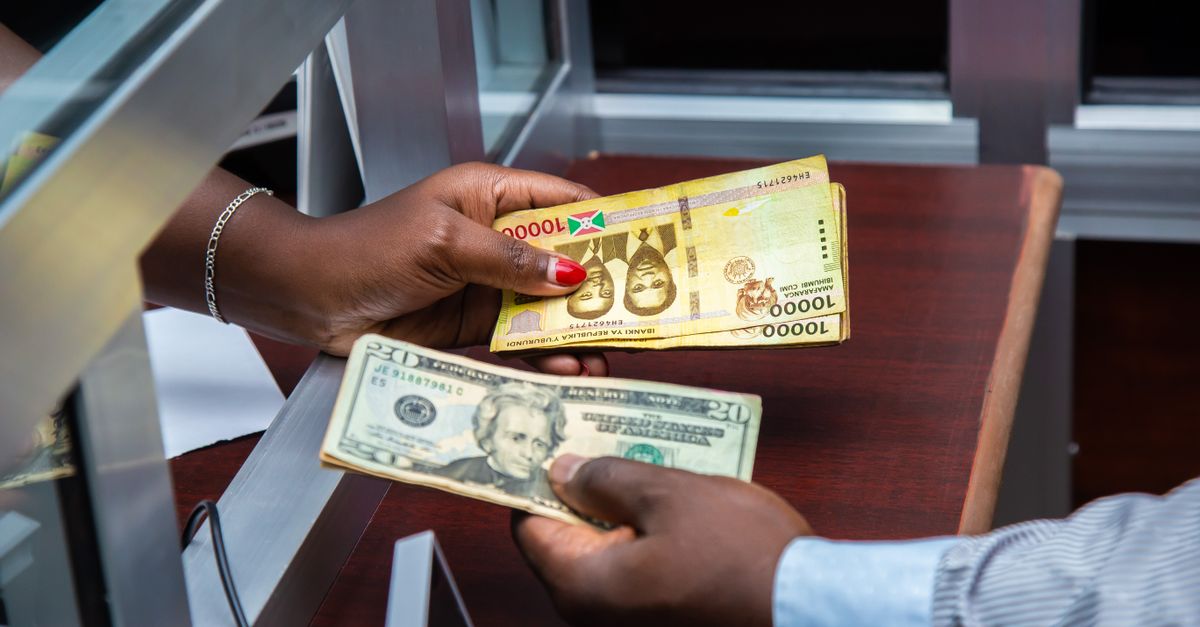
Most Filipino nurses and H-1B workers flying home for a July balikbayan trip don’t expect their debit card to cost extra. But foreign transaction fees hit almost every purchase and ATM withdrawal made in the Philippines. A second, separate charge often comes from the Philippine bank whose ATM dispensed the cash. Neither fee is disclosed clearly at the machine, and neither shows up until the statement lands weeks later. By then, a two-week trip has quietly cost an extra $80 to $120 nobody budgeted for.
This post breaks down how those fees stack on top of each other. It works through a real trip budget with actual numbers. Then it covers the fee-free alternatives worth switching to before the next flight home.
July is peak balikbayan season. School is out, hospital PTO requests get approved months in advance, and airlines add extra capacity on the US-to-Manila route, second only to the December holiday rush. That surge means more Filipino nurses, H-1B workers, and green card holders are pulling cash at Philippine ATMs and swiping cards at family reunions, baptisms, and town fiestas during exactly the weeks these charges add up the fastest.
Foreign Transaction Fees and ATM Costs on a Philippines Trip
A standard US debit card carries two separate charges once it leaves the country. The first is a foreign transaction fee, usually 1% to 3% of every purchase or withdrawal amount. It’s charged by the card issuer simply because the transaction ran through a non-US network.
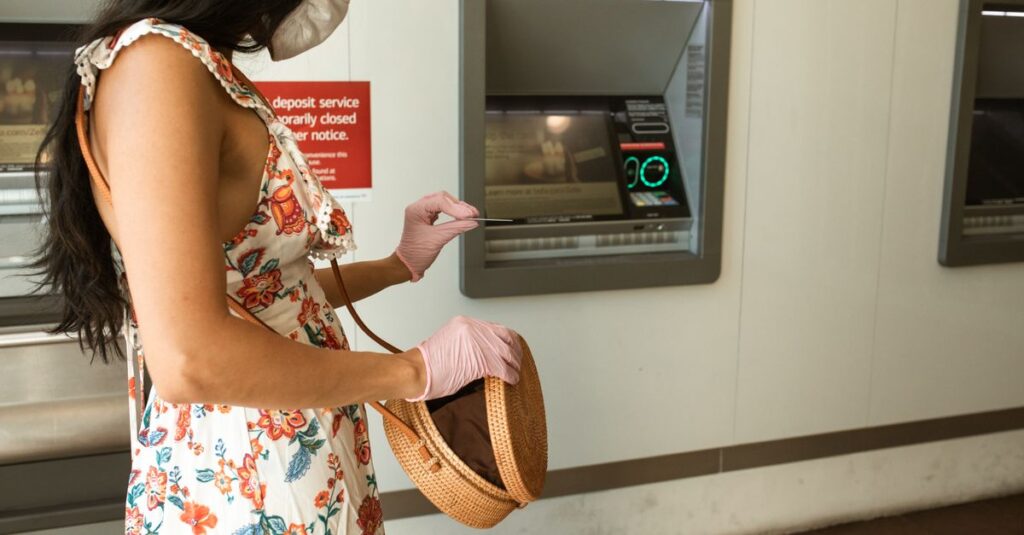
The second is an ATM fee, and it can itself be two fees layered together. One comes from the home bank, for using an out-of-network machine abroad. The other comes from the Philippine bank that owns the ATM, charged to any card that isn’t theirs.
A nurse pulling ₱10,000 (roughly $175) from a BPI or BDO ATM might use a Chase or Bank of America debit card. That single withdrawal can trigger three separate charges. There’s the foreign transaction fee, the home bank’s international ATM fee, and the Philippine bank’s non-customer surcharge. None of these three charges is disclosed clearly at the machine. Card swipes at restaurants and shops carry the foreign transaction fee too, just without the ATM layer on top.
How the Fee Stack Actually Works
Start with the foreign transaction fee. Most major US banks charge between 1% and 3% on any transaction processed outside the US. That applies to a card swipe at a Manila mall or a cash withdrawal alike. A $200 cash pull at 3% costs $6 before any ATM fee is even added.
Next comes the home bank’s ATM fee for using a machine outside its network. That typically runs $2.50 to $5 per withdrawal, regardless of the amount. Then the Philippine bank adds its own surcharge for serving a non-customer, commonly around ₱200 (about $3.50). Stack all three onto a single $200 withdrawal and the true cost runs $12 to $15. That’s a 6% to 7.5% markup just to hold pesos in hand.
Dynamic currency conversion adds a fourth layer at point-of-sale terminals. These offer to charge the purchase in US dollars instead of pesos. It looks convenient, but the exchange rate used is almost always worse than the card network’s rate, often by 3% to 7% more. Declining that option and letting the transaction post in pesos avoids this charge entirely.
A Two-Week Trip, Worked Out With Real Numbers
Picture a Filipino travel nurse on a two-week visit home in July. She budgets $2,000 total: $1,000 in card purchases and $1,000 pulled out as cash across five ATM withdrawals of $200 each.
Card purchases: $1,000 at a 3% foreign transaction fee costs $30.
ATM withdrawals: each $200 pull carries a 3% foreign transaction fee ($6), a $5 home-bank international ATM fee, and a roughly $3.50 Philippine bank surcharge. That’s about $14.50 per withdrawal. Five withdrawals add up to $72.50.
Total extra cost on this trip comes to $102.50. That’s just over 5% of the entire $2,000 budget, spent purely on fees a fee-free card would have avoided. Multiply that across a family of four traveling together, and the overhead easily clears $300 to $400 for the trip.
Cards That Skip Foreign Transaction Fees Entirely
A handful of US banks and fintechs waive the foreign transaction fee outright. Many also refund ATM surcharges at the end of each statement cycle, which erases most of the cost above before it happens. Charles Schwab’s checking account and Fidelity’s cash management account are two of the most commonly used options among frequent Philippines travelers. Both refund ATM fees worldwide with no minimum balance requirement. A side-by-side breakdown of the strongest no-fee options for a Philippines trip is covered in Best No-Foreign-Fee Debit and ATM Cards for Trips Back to the Philippines.
Switching cards before a trip takes about two weeks for a new card to arrive. Ordering one in early June for a July balikbayan visit leaves enough buffer. Keep the old card as a backup in case the new one has an activation issue at a Philippine ATM.
Other Costs to Watch Alongside the Fee
The Philippine bank surcharge for non-customer withdrawals varies by network. BPI, BDO, and Metrobank ATMs each set their own non-customer fee, and it can change without notice. Treat the $3.50 figure above as an estimate rather than a fixed number for any specific bank. The Consumer Financial Protection Bureau’s guidance on foreign transaction fees is a useful baseline for how the US-side charge is typically structured. It doesn’t cover Philippine-side ATM surcharges, since those are set locally.
Some Philippine ATMs cap a single withdrawal at ₱10,000 to ₱20,000 per transaction. That forces multiple withdrawals, and multiple rounds of fees, to pull a larger amount of cash in one visit. Check the daily withdrawal limit on both the US card and the specific Philippine ATM network before relying on it for a large cash need.
Dual citizens and green card holders who visit every year face this cost annually, not just once. A family that flies home for three weeks every July and pulls $1,500 in cash each trip can lose $60 to $90 a year to fees that a single card switch would have erased. Over a decade of yearly balikbayan trips, that adds up to $600 or more spent on nothing but fees.
FAQ
Do all US debit cards charge foreign transaction fees in the Philippines?
No. Most traditional bank debit cards charge 1% to 3%. Several banks and fintechs, including Charles Schwab and Fidelity, waive the fee entirely and refund ATM surcharges too.
How much do Philippine ATMs charge on top of the US bank’s fee?
Local banks like BPI, BDO, and Metrobank typically add a non-customer surcharge of around ₱200 (roughly $3.50) per withdrawal. That’s separate from whatever the US bank charges.
Can I avoid foreign transaction fees completely on a Philippines trip?
Yes. Switch to a debit card that specifically waives foreign transaction fees before the trip. Also decline dynamic currency conversion offers at checkout so the transaction posts in pesos instead.
Is it cheaper to withdraw a large amount of cash at once instead of several smaller withdrawals?
Usually yes, since flat per-withdrawal fees don’t scale with the amount pulled. Withdrawing the daily maximum in fewer trips reduces how many times that flat fee gets charged, as long as the ATM’s per-transaction cap allows it.
Should I open a BPI or BDO account before flying home instead of using my US card?
It depends on how often the trip repeats. A Philippine bank account removes ongoing ATM fees on future visits, but it takes time and documentation to set up. That makes more sense for dual citizens or frequent travelers than for a single short trip.
Does using a credit card instead of a debit card avoid these fees?
Only if the credit card specifically advertises no foreign transaction fee, which many rewards travel cards do. A regular credit card without that feature charges the same 1% to 3% fee on every purchase abroad.
Quick Summary
- A standard US debit card can trigger a foreign transaction fee, a home-bank ATM fee, and a Philippine bank surcharge on a single cash withdrawal, adding up to $12 to $15 on a $200 pull.
- A worked two-week trip budget shows these fees adding roughly $102.50 in extra cost on a $2,000 spend, just over 5% of the total.
- Switching to a card that waives foreign transaction fees and refunds ATM surcharges before the trip avoids most of this cost entirely.
This post is for informational purposes only and does not constitute financial, tax, or legal advice. Laws and regulations change frequently. Please consult a qualified professional for your specific situation.