
The cashier at a Robinsons Galleria register asks a question that sounds like a courtesy: “Would you like that charged in dollars or in pesos?” Say dollars, and you’ve just agreed to dynamic currency conversion. That markup typically runs 3% to 7% higher than the rate your card issuer would have used on the exact same purchase. It happens at SM malls, hotel front desks, and restaurants near tourist strips. It happens at nearly every ATM that spots a foreign-issued card. Most Filipino travelers say yes without knowing a cheaper option was sitting right next to it.
This matters more in July than most months. Summer break sends a wave of Filipino families in the US home for two or three weeks. Pasalubong runs, family dinners, and Grab rides across Metro Manila fill those weeks. Every one of those card swipes carries the same silent choice.
Dynamic Currency Conversion: What It Actually Means at the Register
Dynamic currency conversion, often shortened to DCC, lets a merchant’s payment terminal or an ATM convert your bill into US dollars on the spot. Otherwise the charge stays in Philippine pesos. The terminal recognizes a foreign-issued card by its number. It then offers the dollar amount as a convenience, framed as a way to “know exactly what you’re paying” before you walk away.
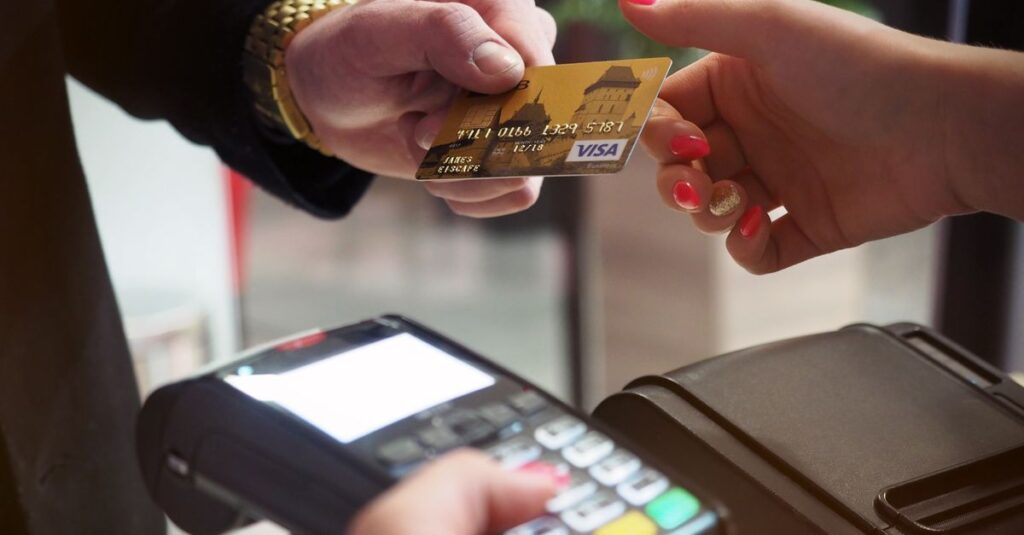
The catch is who sets that dollar figure. It isn’t Visa, Mastercard, or your bank. It’s the merchant’s payment processor. That processor builds its own markup into the exchange rate before the transaction ever reaches your card network. A Filipino nurse buying school supplies for nieces and nephews, a dual citizen renewing a Philippine ID, and a green card holder settling a hotel folio all see the same dollar-or-peso prompt. All of them pay more the moment they pick dollars.
Why the Merchant’s Dollar Rate Is Always Worse Than Your Card’s
Every card network publishes a wholesale exchange rate each day. Banks use that same rate to settle transactions between each other. Let a purchase post in pesos, and your card issuer handles the conversion at a rate close to that wholesale number. You’ll also pay whatever foreign transaction fee your card charges, often 0% to 3%.
Dynamic currency conversion skips that network rate entirely. The merchant’s processor sets its own retail rate instead. According to Wikipedia’s overview of the practice, markups have been recorded as high as 18% above the standard conversion. Real-world markups on everyday retail and restaurant purchases usually land closer to 3% to 7%. The processor and the merchant split that markup as extra revenue. That split is exactly why the terminal is programmed to offer dollars by default.
A Worked Example: A ₱5,000 Dinner Bill
Say a family of five orders ₱5,000 worth of food at a Makati restaurant, paying with a US credit card. At a mid-market rate of roughly ₱58 to the dollar, the peso amount converts to about $86.21 through the card network.
The waiter’s terminal instead offers to charge $92.50 in dollars, framed as the “guaranteed” amount. That figure reflects an embedded rate closer to ₱54 to the dollar. The difference is $6.29 on a single dinner, a markup just above 7%. Multiply that across a two-week trip with dozens of swipes at malls, pharmacies, and grocery stores. The extra cost easily runs into several thousand pesos before the trip is over. Choosing pesos on that same bill keeps the charge at $86.21, plus at most a small foreign transaction fee your card issuer already discloses.
How to Always Decline Dynamic Currency Conversion
The decision point is almost always a single screen or a single spoken question. The fix is the same every time: choose the local currency, not the dollar amount.
At a store or restaurant terminal, look for a prompt asking “Bill me in USD” versus “Bill me in PHP.” Select PHP, even though the screen may make the dollar option look like the default or the safer choice. If a cashier asks out loud, answering “sa piso na lang po” or simply “in pesos, please” settles it immediately. At an ATM, a similar prompt appears before the cash dispenses. It’s usually worded as accepting or declining a shown conversion rate. Declining routes the withdrawal through your card network’s rate instead.
Filipino travelers who withdraw cash instead of swiping face a related but separate cost. Credit cards processing a cash withdrawal get treated as a cash advance with its own fee and immediate interest. That’s a very different math problem from a debit card’s flat foreign ATM fee. See credit card cash advance fees vs a debit card’s ATM fee in the Philippines for that comparison before choosing which card to pull out.
A polite decline works almost everywhere, even when the cashier seems to expect a yes. Most front-line staff at Philippine malls and restaurants are simply reading whatever the terminal defaults to, not steering you toward the worse rate on purpose. Saying “PHP na lang po” or pointing at the peso line on the screen usually gets a quick, no-questions rerun. Groups traveling together, like a balikbayan family splitting a big grocery run at SM Hypermarket, benefit the most from agreeing on pesos before the first card ever comes out, since one clear house rule avoids the whole conversation repeating at every counter.
Where Dynamic Currency Conversion Shows Up Beyond the Store Counter
The register and the ATM are the obvious spots. Dynamic currency conversion also hides inside bookings made before the trip even starts. Hotel sites, Klook tour listings, and some Grab or ride-hailing apps display a currency toggle at checkout. That toggle defaults to US dollars for a card with a US billing address, carrying the same markup as an in-person terminal, just settled days or weeks earlier.
Airport ATMs at NAIA and provincial airports are frequent offenders too. They often pre-select the dollar conversion screen for arriving passengers who are tired, jet-lagged, and inclined to tap “confirm” without reading the fine print. Checking the card statement after the trip helps catch anything that slipped through. A posted rate noticeably worse than the day’s published mid-market rate is the clearest sign DCC was applied without a clear decline option.
FAQ
Does declining dynamic currency conversion cost me anything extra?
No. Declining it lets the transaction settle in pesos through your card network’s standard rate, which is almost always cheaper. There’s no fee for choosing local currency.
Do US credit cards still charge a foreign transaction fee even if I decline DCC?
Some do, typically 1% to 3% of the purchase, though many travel-focused cards waive it entirely. That fee, when it applies, is still smaller than the typical dynamic currency conversion markup. Declining DCC remains worth it either way.
What if the terminal charges in dollars automatically without asking?
Ask the cashier to reverse and rerun the transaction in pesos before signing or tapping to confirm. Most Philippine merchants can void and rerun a card payment on the spot. Once the receipt prints, disputing it after the fact is far harder.
Is dynamic currency conversion the same at ATMs as at store registers?
The mechanism is the same markup on a self-selected rate. ATMs present it as accepting or declining a shown conversion rate rather than a dollar-or-peso choice. Decline the shown rate at the ATM screen just as you would at a register.
How do I spot dynamic currency conversion on my card statement after the trip?
Look for a posted amount that doesn’t match a plain mid-market conversion of the peso price. Also watch for a line explicitly labeled “DCC” or “currency conversion” from the merchant rather than your card issuer. A pattern of slightly-off amounts across a trip usually means DCC was applied more than once.
Does travel insurance or a rewards card protect me from dynamic currency conversion charges?
No. DCC is a separate exchange-rate decision made at the point of sale, not a fee category that travel insurance or card rewards offset. The only protection is declining the dollar option every time it’s offered.
Quick Summary
- Dynamic currency conversion lets a Philippine merchant or ATM bill your US card in dollars using their own marked-up rate, typically 3% to 7% above the standard conversion.
- Always choosing pesos over dollars at the register, at the ATM, and in online bookings routes the charge through your card network’s cheaper rate instead.
- A ₱5,000 bill can cost several dollars more under DCC, and that gap compounds fast across a multi-week trip full of swipes.
This post is for informational purposes only and does not constitute financial, tax, or legal advice. Laws and regulations change frequently. Please consult a qualified professional for your specific situation.