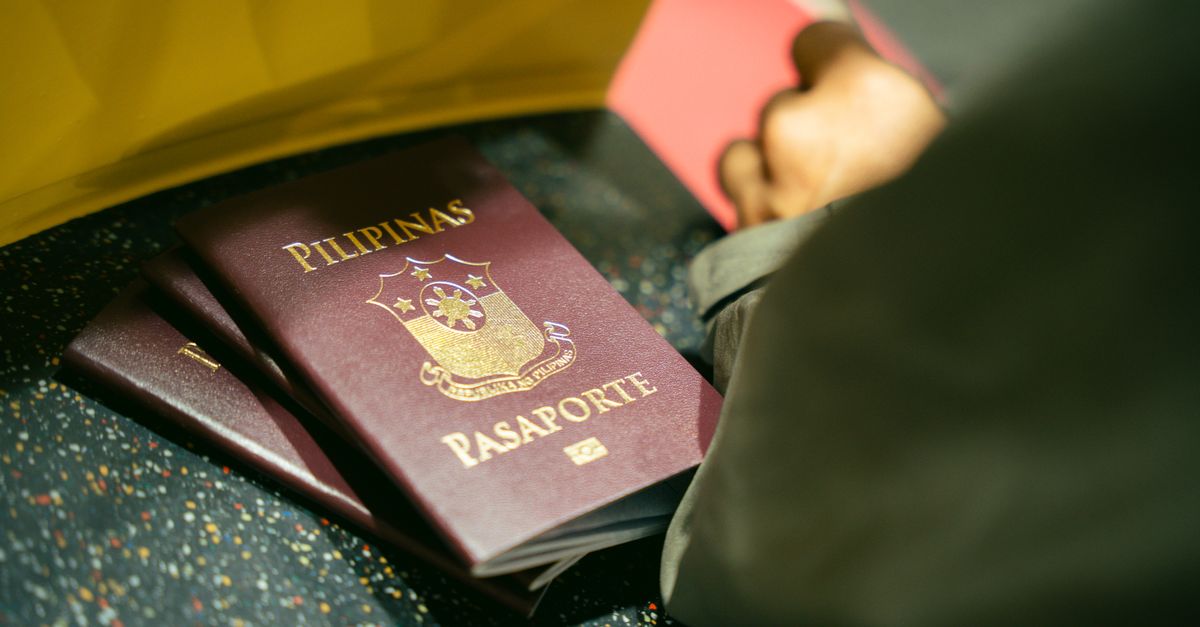
Every personal finance article says the same thing. Keep three to six months of expenses in an emergency fund. That advice was written for a household with one set of bills, in one country. It wasn’t written for a nurse in Ohio sending $400 a month to her parents in Cavite. An emergency fund Filipino immigrants actually need has to cover more than rent and groceries. It has to cover the remittance too, plus a separate risk the standard rule never mentions: something going wrong back home.
This post walks through why the 3-6 month rule needs adjusting, the two emergency categories worth planning for separately, and how to size and place the money so it’s actually there when you need it.
Why the Standard Emergency Fund Rule Doesn’t Fit Filipino Immigrants
The 3-6 month rule assumes your monthly expenses are your monthly expenses. Nothing more. But if you send $300, $500, or $800 home every month, that’s not optional spending. It’s closer to a fixed bill, like rent. Skip it for even one month and someone back home feels it directly.

Most households don’t lose that obligation just because the sender loses income. A job loss in the US doesn’t pause a parent’s medication costs in the Philippines. Many families keep sending money anyway, even mid-emergency, because stopping feels impossible.
That’s exactly why a generic emergency fund undercounts what’s needed. It sizes the fund to US expenses only. It ignores the recurring transfer sitting on top of them, and it ignores a second category of emergency entirely: one that happens 8,000 miles away.
Two Emergencies to Plan for, Not Just One
Filipino immigrant households face two distinct emergency types. Treating them as one leads to underfunding both.
The first is a US-side emergency. Job loss, a surprise medical bill, a major car repair — the classic categories. For nurses specifically, add contract non-renewal or a gap between agency assignments. These tend to unfold over weeks or months, giving you some runway to react.
The second is a Philippines-side emergency. A parent’s sudden hospitalization counts. So does a typhoon or flood damaging the family home, or a death that requires an unplanned flight back. These hit fast, and the dollar amounts can be large — a last-minute international ticket alone can run $1,200 or more.
A US-side emergency drains your fund slowly, over an income gap. A Philippines-side emergency can drain it in a single week. Your emergency fund needs room for both, not just the first one.
Sizing an Emergency Fund for Filipino Immigrants Who Send Money Home
Start with real monthly obligations, not an assumed number. Add US rent, utilities, groceries, insurance, and debt payments. Then add the remittance as its own line item, since it doesn’t stop just because income does.
Multiply that combined monthly total by three to six months, depending on how stable your income feels. A staff nurse with a permanent contract can lean toward three. A travel nurse between assignments, or an H-1B worker in a single-employer role, should lean toward six.
Then add a third piece: a standing reserve earmarked only for an unplanned trip home. $1,500 to $2,500 is a reasonable range, covering short-notice airfare and a few days of incidentals. This reserve sits separately from the monthly-expense math, because a family crisis doesn’t wait for your fund to rebuild.
Also worth checking: whether you’re overpaying on the remittance itself. Getting the best rate on the remittance itself frees up a little more room to build savings elsewhere.
That combined number — living costs, remittance, and the trip reserve — is the real target for an emergency fund Filipino immigrants can actually count on.
Where to Keep This Money (and Where Not To)
This fund needs to be liquid. Not “liquid in a month.” Liquid today, from a US bank account, in US dollars.
A high-yield savings account is the right home for it. FDIC insurance, same-day or next-day transfers, and no penalty for withdrawing. That combination matters more here than the interest rate does.
What doesn’t belong here: a UITF, mutual fund, or any investment that can lose value the week you need it. Also skip parking it in a Philippine bank account ahead of time. Money sent ahead loses a day or more of access when a US crisis hits, and currency conversion adds friction exactly when speed matters most.
For general principles on where to hold this kind of cash, the Consumer Financial Protection Bureau’s savings guidance is a solid starting reference, even though it doesn’t address remittance obligations directly.
The Emotional Side: Saying No to a Family Request Without Guilt
Here’s the hard part nobody writes about. A cousin calls with an urgent need, and your instinct is to send whatever you have. Prioritizing your own fund first can feel like choosing yourself over family.
It isn’t. An emergency fund Filipino immigrants build for themselves is what lets them keep helping, month after month, instead of being wiped out by one bad stretch. Without it, a single job loss or medical bill can end the remittance entirely, sometimes for months, right when family needs it most.
Naming this tension honestly matters. Nobody sends money because they’re required to. People send it because they care. A fund isn’t a sign of caring less. It’s what keeps the sending sustainable when the next hard month arrives.
A Worked Example: $500 a Month to the Philippines
Take a household with $3,200 in US monthly living costs and a steady $500 remittance to parents in Iloilo. Combined monthly obligation: $3,700.
At four months of coverage — reasonable for a staff nurse with a stable contract — that’s $14,800. Add a $2,000 reserve for an unplanned trip home, and the target lands at $16,800.
That number can look intimidating next to a “3-6 months of expenses” line that ignores the remittance. But it’s the real number. Building toward it in $200-a-month increments gets there in about seven years, or faster with a tax refund or bonus applied directly to the fund.
The point isn’t to hit $16,800 overnight. It’s to know that number is the real target, instead of guessing low and finding out during an actual emergency.
FAQ
How much should Filipino immigrants keep in an emergency fund?
Enough to cover 3-6 months of combined US expenses and the monthly remittance, plus a separate $1,500-$2,500 reserve for an unplanned trip home. The right emergency fund Filipino immigrants should target depends on income stability and remittance size.
Should remittances pause during a US-side emergency?
Ideally the fund covers both, so nothing has to pause. If a pause becomes necessary, a short, honest conversation with family beats silently missing a transfer.
Is a UITF or Philippine account okay for holding this money?
No. This fund needs same-day US liquidity. Investments can lose value, and money sent ahead to the Philippines is slower to access and adds conversion friction.
What’s a realistic emergency fund for Filipino immigrants working as nurses?
Lean toward six months rather than three, since contract non-renewal or an assignment gap can happen with little warning. Travel nurses especially should build the higher end of the range.
How is this different from a Philippines trip fund?
A trip fund covers a planned, budgeted annual visit. An emergency fund covers an unplanned crisis — a sudden illness, disaster, or urgent flight home on short notice.
Quick Summary
- Size your emergency fund around combined US expenses plus the monthly remittance, since the remittance rarely stops just because income does.
- Keep a separate $1,500-$2,500 reserve earmarked only for an unplanned, short-notice trip home.
- Hold the whole fund in a liquid, FDIC-insured US high-yield savings account — never in a UITF or a Philippine account.
This post is for informational purposes only and does not constitute financial advice. Every household’s obligations and risk factors differ — treat the numbers here as a starting framework, not a fixed rule. Please consult a qualified financial professional for your specific situation.