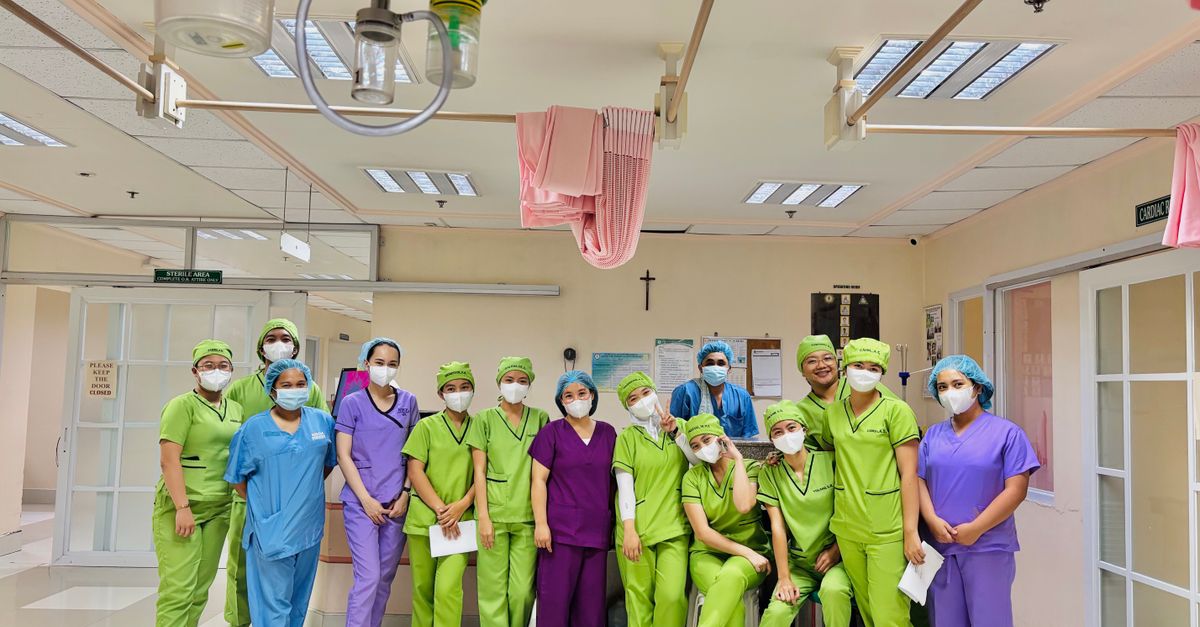
Maria trained as an RN in Manila and passed the NCLEX two years ago. A US hospital system recruiter just offered to sponsor her green card. She keeps hearing “EB-3” and “Schedule A” in the same breath and has no idea what either one means for her wallet. That confusion is common. EB-3 Filipino nurses have one of the smoothest paths in the entire US immigration system, yet almost nobody explains why, or what costs the hospital is supposed to absorb before a nurse signs anything.
This matters because the details decide whether Maria saves thousands of dollars or hands them straight back to her employer. A green card offer letter can look generous on the surface. The actual terms live in the fine print, not the recruiter’s pitch.
The Schedule A Shortcut for EB-3 Filipino Nurses
Registered nurses sit on the Department of Labor’s Schedule A, Group I list. That designation matters more than most job offers ever explain. Normally, an employer sponsoring a green card must run a PERM labor certification. They test the local labor market first. They prove no qualified American wants the job before hiring a foreigner.

Schedule A nurses skip that entire step. The hospital can file directly for an immigrant petition. No recruitment ads. No waiting on a state workforce agency. This is a real, structural advantage specific to nursing, not a marketing line from a staffing agency. Few other occupations get this treatment.
Still, “skips PERM” does not mean “skips everything.” The case still needs an approved I-140 petition. Depending on Maria’s priority date and the visa bulletin, there can be further waiting before a green card is actually issued. Schedule A removes one bottleneck. It does not remove all of them.
The designation exists because the Department of Labor already determined there are not enough US registered nurses to fill demand nationwide. That shortage determination gets revisited occasionally, so it is worth confirming Schedule A still applies to RNs at the time you file. For most of the last two decades it has.
How the EB-3 Timeline Really Unfolds for Filipino Nurses
EB-3 is the employment-based category covering most RN sponsorships. Details on the classification are on the USCIS EB-3 page. Filing usually runs through three stages: the I-140 petition, then either adjustment of status or consular processing, and along the way a possible wait tied to the visa bulletin.
For the Philippines, backlogs exist but have historically run shorter than for India or China. Demand from Philippine-born applicants sits well under the per-country cap most years. That gives Filipino nurses a real edge over nurses from higher-demand countries.
Even so, be honest with yourself about pacing. USCIS processing volume alone can stretch a Schedule A case well past a year. Combined with any visa bulletin movement, many nurses see a total timeline of one to three years, sometimes longer. Anyone who promises an exact date is guessing. A realistic range serves you better than a false promise.
Premium processing can speed up the I-140 review itself, often to a matter of weeks. It does not touch the visa bulletin wait, which is the part outside anyone’s control. Ask your employer whether they plan to pay for premium processing, since that fee is not required by law but genuinely helps.
What Your Hospital Is Legally Required to Pay
Employer-required sponsorship costs are, by law, the employer’s responsibility. Because Schedule A skips PERM, there is no recruitment cost to argue about there. But I-140 filing fees and related attorney costs tied to the employer’s own petition still fall on the hospital, not on Maria.
Real-world practice does not always match the rule. Some hospital and staffing agency contracts quietly shift these costs onto the nurse through repayment clauses or upfront deductions. That can raise legal questions depending on the specific fee, the state, and how the contract is written. It is worth a careful read before signing anything, ideally with a second set of eyes.
Attorney fees deserve their own scrutiny. Large hospital systems typically use in-house immigration counsel, and the cost never touches the nurse’s paycheck. Smaller staffing agencies sometimes outsource to a third-party law firm and pass a portion of that bill along. Neither setup is automatically wrong, but the paperwork should say clearly who pays what.
If Maria is still early in the pipeline, before an offer even lands, our NCLEX and work visa financial checklist breaks down what typically gets billed to the nurse versus the employer at each stage.
Contract Clauses Filipino Nurses Should Question
Three clauses show up constantly in hospital and staffing agency contracts, and each deserves scrutiny.
- Stay-or-pay provisions. These require repayment of relocation, training, or visa costs if a nurse leaves before a set period, commonly two to three years. Read the exact dollar figure and the exact trigger dates.
- Non-compete clauses. Some contracts restrict where a nurse can work locally after leaving. Enforceability varies a lot by state.
- Vague “at-will” language. A contract that calls employment at-will while also promising sponsorship can create real tension. Ask directly how the hospital handles a layoff before your green card is approved.
None of this means walk away from a good offer. It means read every page, ask questions in writing, and keep copies of anything you sign.
Negotiating room exists even before the offer is final. Large hospital systems compete hard for Schedule A nurses right now, given the ongoing shortage. That gives candidates room to negotiate shorter stay-or-pay periods or lower repayment caps. Asking rarely costs anything, and many recruiters expect it.
Real Numbers: What EB-3 Filipino Nurses Actually Pay
Picture Maria’s actual offer. The hospital covers her I-140 filing fee and attorney costs, roughly $3,000 to $7,000 depending on the firm. She is not asked to reimburse those figures. She is asked to sign a two-year commitment tied to a $10,000 relocation and orientation package, refundable prorated if she leaves early.
That structure is common and generally reasonable. What is not reasonable: agencies that bill nurses directly for their own I-140 costs, or that attach the fee reimbursement to vague “training” categories with no receipts. Maria asked for an itemized breakdown before signing. Every nurse should do the same.
Her offer also included a $2,500 relocation stipend, paid upfront rather than reimbursed later. Some contracts reverse that order, requiring the nurse to front moving costs and submit receipts afterward. Upfront payment is friendlier to a nurse’s cash flow, especially right after an international move.
FAQ
Do all Filipino nurses qualify for EB-3 Schedule A?
Most working as registered nurses do, since Schedule A covers the RN occupation broadly. Specific state licensing and English proficiency requirements still apply. An immigration attorney should confirm your individual case before you count on it. Nurse practitioners and other advanced roles sometimes fall under different rules, so double-check your exact title.
How long does the EB-3 process take?
Expect roughly one to three years from I-140 filing to green card, sometimes longer. USCIS processing speed and visa bulletin movement both affect the final number. Treat any exact promise with skepticism.
Who pays EB-3 fees for Filipino nurses?
The hospital legally owes I-140 filing and related petition costs. Some contracts try shifting these onto the nurse anyway. Read your offer letter closely and ask for an itemized cost sheet.
What happens if a nurse leaves early?
Stay-or-pay clauses often require repaying relocation or training costs. The exact amount and timeline depend on your signed contract. Negotiate this figure before accepting an offer, not after.
Can employers make nurses cover sponsorship costs?
It depends on the specific fee, the contract language, and state law. Costs tied to the employer’s own legal petition are the harder ones to justify shifting. When in doubt, ask an employment attorney to review the clause. A quick paid consultation before signing is far cheaper than a dispute later.
Does Schedule A apply to Filipino nurses outside the US?
Schedule A applies to the sponsorship process itself, not to where you currently live. Nurses applying from the Philippines and nurses already working in the US on other visas both use the same designation.
Quick Summary
- EB-3 Filipino nurses skip the PERM labor certification step thanks to Schedule A, but the I-140 petition and visa bulletin wait still apply.
- Hospitals legally owe I-140 filing and petition costs; some contracts try shifting these onto nurses anyway, so read every clause.
- Expect a realistic total timeline of one to three years, and negotiate stay-or-pay repayment terms before signing.
This post is for informational purposes only and does not constitute financial, tax, or legal advice. Laws and regulations change frequently. Please consult a qualified professional for your specific situation.