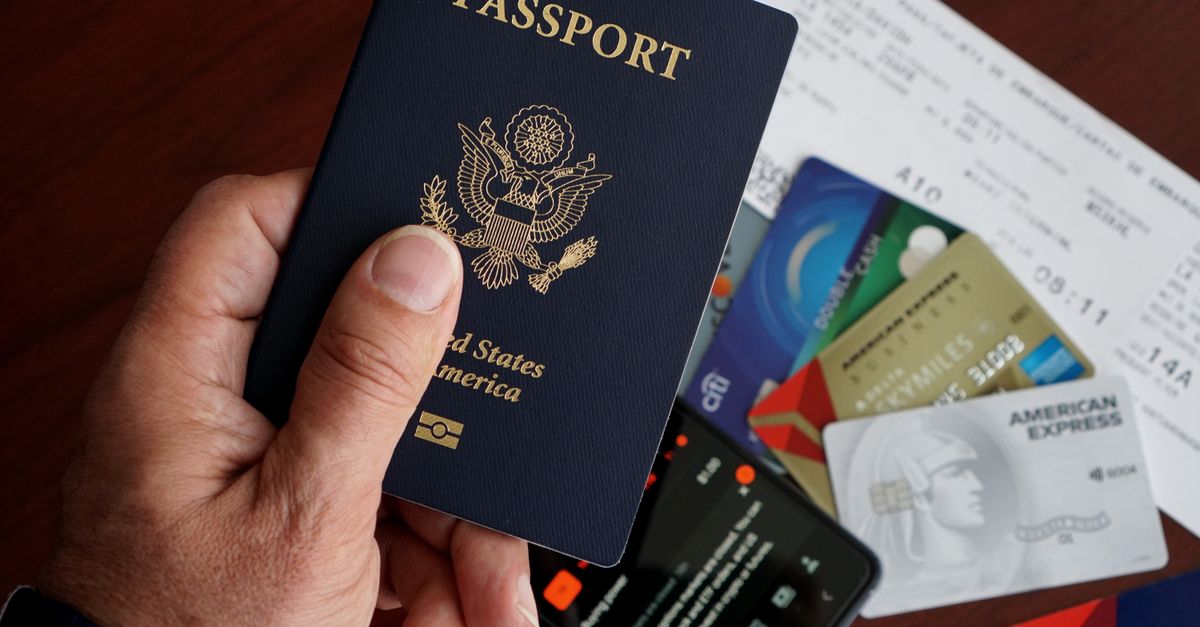
Angeli graduated near the top of her nursing class in Manila. She passed the local licensure exam two years ago. Now a US hospital recruiter wants her to start the visa process, and she has no idea what it will cost. Her NCLEX work visa checklist starts blank, and every forum thread gives a different number. That gap between hope and paperwork is where most nurses lose money, not because they made bad choices, but because nobody handed them a clear list before the fees started arriving.
The NCLEX Work Visa Checklist Every Filipino Nurse Needs
Most guides jump straight to the NCLEX exam. That skips a required first step. Before Angeli can even register for NCLEX, she needs credential evaluation from CGFNS, the Commission on Graduates of Foreign Nursing Schools. CGFNS confirms her Philippine nursing education and license meet US standards.
A complete NCLEX work visa checklist has four cost categories, not one. First: CGFNS credential evaluation and, later, the CGFNS Certificate or VisaScreen needed for the visa itself. Second: the NCLEX exam fee, paid once she is cleared to sit for it. Third: state board of nursing licensing fees, which vary by state. Fourth: visa processing and possible attorney costs tied to the immigration side.
Relocation belongs on the list too, even though it comes later. Flights, temporary housing, and incidentals add up fast once a start date is set. Skipping any one category leads to surprise bills mid-process. Angeli learned this the hard way when a licensing fee she had not budgeted for arrived by mail three months into her CGFNS review.
CGFNS Comes Before the NCLEX Exam
CGFNS credential evaluation is not optional for foreign-trained nurses. It confirms Angeli’s nursing program, license, and coursework match US requirements. Only after that review can she register for NCLEX through her chosen state board.
The CGFNS Certificate goes further than a basic evaluation. It also verifies English proficiency and licensure history, and immigration authorities require it for most healthcare worker visa categories. Nurses sometimes confuse this certificate with the exam itself. They are separate steps, and skipping the certificate can stall a visa petition even after NCLEX is passed.
Full details on the exam itself sit on the official NCLEX page from NCSBN. CGFNS review can take several months, so start this step well before a hospital offer is finalized. Waiting until an offer arrives just adds delay nobody needs.
Angeli started her CGFNS application the same month she began NCLEX study. That overlap saved her nearly four months compared to nurses who wait.
Real Costs Behind Your NCLEX Work Visa Checklist
Real costs vary by state and by nurse, but ranges help with planning. CGFNS credential evaluation typically runs a few hundred dollars. The CGFNS Certificate or VisaScreen adds another few hundred, plus fees for English testing if required.
NCLEX itself carries a registration fee, plus whatever her state board charges for licensing on top of that. State licensing fees differ widely, so Angeli should confirm the exact number with the board where her hospital is based. None of these figures include an attorney, if her employer’s petition requires one.
Visa processing fees depend on the exact category and whether the employer or nurse covers consular costs. Relocation is the wildcard. A one-way flight from Manila, plus a month of temporary housing, can run into thousands of dollars depending on the city.
Angeli built a spreadsheet totaling every category before agreeing to anything. That single habit, more than any one fee, kept her from signing a contract she could not afford. A written estimate from CGFNS and her state board beats a recruiter’s verbal guess every time.
Who Legally Pays: Hospital vs Nurse Obligations
Some costs are legally the sponsoring employer’s responsibility. That depends heavily on which visa or labor certification pathway applies to Angeli’s specific offer. Costs tied directly to the employer’s own petition typically fall on the hospital, not the nurse.
Real contracts do not always follow that rule cleanly. Staffing agencies sometimes bundle CGFNS fees, NCLEX costs, or relocation into a repayment clause disguised as a signing bonus. Reading the actual language matters more than trusting a recruiter’s summary.
Our companion piece on the EB-3 green card process for Filipino nurses covers this same “who legally pays” question in more depth, since many nurses move through both processes back to back.
Before signing anything, ask for a written breakdown. Which fees does the hospital cover outright? Some get reimbursed later, under specific conditions worth reading twice. Others fall on Angeli herself, with no repayment at all. Get every answer in writing, not a verbal promise from an eager recruiter.
Recruiter Loan Programs: Read the Fine Print
Some agencies advertise advance or loan programs. They cover NCLEX fees, visa costs, or travel upfront, before a nurse earns her first paycheck. Repayment then comes out of payroll once she starts working.
These programs solve a real problem: many nurses cannot front thousands of dollars before leaving the Philippines. But convenience carries a price. Interest rates on these advances are not always disclosed clearly upfront. Some contracts attach steep penalties if a nurse leaves before a set period, sometimes called a “stay or pay” clause.
Ask for the total repayment amount in dollars, not just a monthly deduction figure. Find out what happens if the hospital job falls through before she even starts. Confirm whether the loan is forgiven gradually or due in full on early departure.
A loan program is not automatically a bad deal. It only becomes one when the terms are vague or the penalty is disproportionate to the advance itself. Angeli asked her agency for a full repayment table before agreeing to anything, and got one within a day.
Realistic Timeline: NCLEX Pass to First Paycheck
Recruiters sometimes promise a fast turnaround. Reality moves slower. From NCLEX pass to first US paycheck, most nurses see twelve to eighteen months elapse, sometimes longer.
Visa processing accounts for much of that gap. Depending on the pathway, there can be a backlog measured in months rather than weeks. State licensing, once NCLEX is passed, adds its own separate timeline before Angeli can legally practice in that state.
Nurses who plan around an eighteen-month runway rarely feel blindsided. Nurses expecting six months often burn through savings waiting for paperwork that was never going to move that fast. Set the honest expectation early, then treat any earlier arrival as a bonus rather than the baseline.
Angeli budgeted for fifteen months of reduced income before her first US paycheck landed. She hit that mark almost exactly, and planning for it meant no panic when month ten arrived with still no final visa date.
FAQ
What Belongs in an NCLEX Work Visa Checklist?
CGFNS credential evaluation, the NCLEX exam fee, and state licensing costs come first. Visa processing and possible attorney fees follow. Add relocation costs like flights and temporary housing. A complete NCLEX work visa checklist covers all five categories before you commit to anything.
How Much Does CGFNS Credential Evaluation Cost?
Fees run a few hundred dollars for the basic evaluation. The CGFNS Certificate or VisaScreen adds more, plus any required English testing. Exact totals change over time, so confirm current fees directly with CGFNS before budgeting.
Who Pays for a Nurse’s US Work Visa?
It depends on the visa category and labor certification pathway involved. Costs tied to the employer’s own petition are typically the employer’s responsibility. Get this in writing before accepting any offer, since verbal promises are not enforceable.
Are Recruiter Loan Programs Safe to Sign?
They can be, if the interest rate and repayment terms are clear upfront. Watch for vague “stay or pay” penalties tied to early departure. Ask for a full repayment schedule in writing before signing anything.
How Long From NCLEX Pass to First US Paycheck?
Plan for twelve to eighteen months in most cases. Visa processing and state licensing both add real time on top of NCLEX itself. Faster timelines happen, but budgeting for the longer range avoids financial stress.
Does Every Work Visa Path Need an NCLEX Checklist?
Yes, since every pathway to US nursing licensure requires passing NCLEX first. The visa category changes some costs and timing, not the exam requirement itself. Building your NCLEX work visa checklist early helps, regardless of which employer eventually sponsors you.
Quick Summary
- A complete NCLEX work visa checklist covers CGFNS evaluation, the NCLEX fee, state licensing, visa processing, and relocation costs.
- Some costs are legally the employer’s to cover, but contracts vary, so get every obligation in writing before you sign.
- Budget twelve to eighteen months from NCLEX pass to first US paycheck, and read recruiter loan terms carefully before accepting one.
This post is for informational purposes only and does not constitute financial, tax, or legal advice. Laws and regulations change frequently. Please consult a qualified professional for your specific situation.